Home
Blog & Expertise
Company



You want to buy electrical conduit and fittings from China, but you have never imported before. Where do you start, and who helps you get the goods from the factory to your warehouse?
A customer's question prompted this guide. Here is how to approach a first order with Velkor, from explaining what you need to receiving the shipment.
If you already buy conduit or fittings locally, send a product photo, label, drawing, or technical sheet. Add the sizes and quantities you need. If you do not know the English product name, start with the reference material rather than guessing.
For example, “metal conduit, 20 mm” is a starting point, but it is not a complete order specification. We need to establish the conduit type, dimensions, finish, length, and matching connectors or couplings. State any required standard or certification separately.
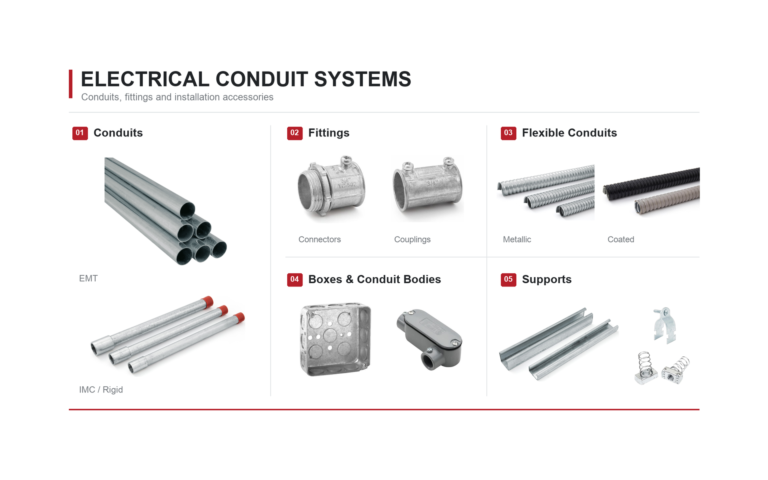
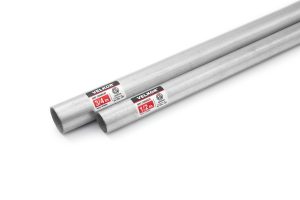
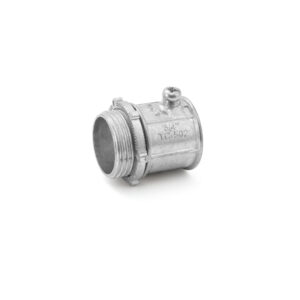
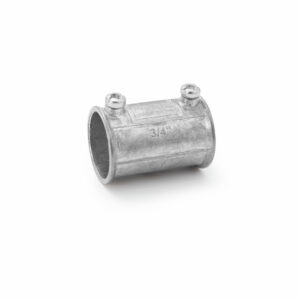
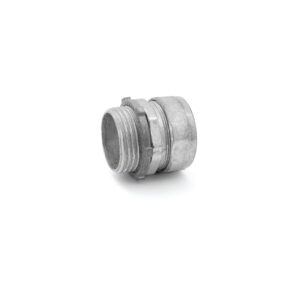
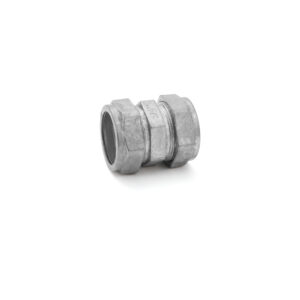
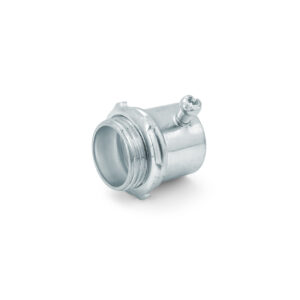
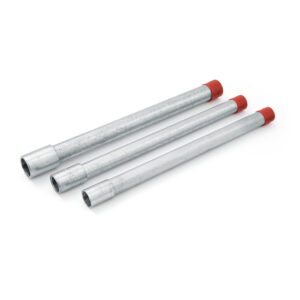
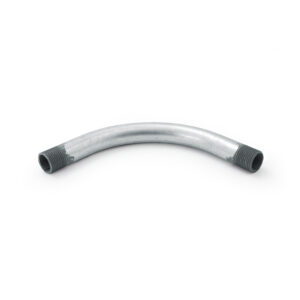
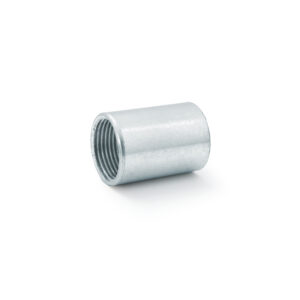
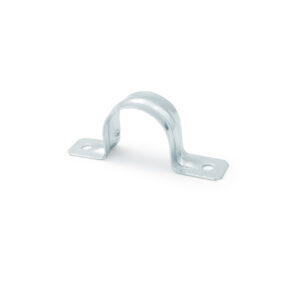
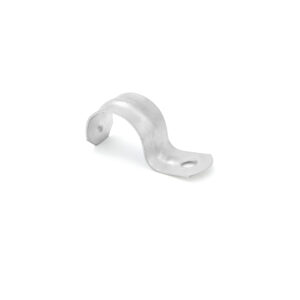
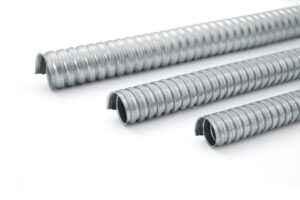
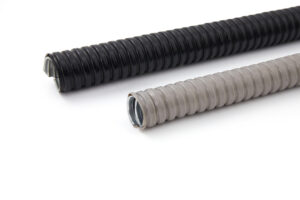
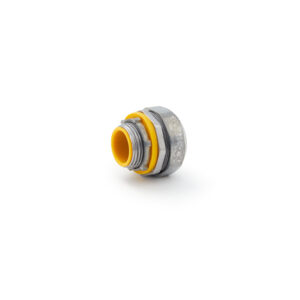
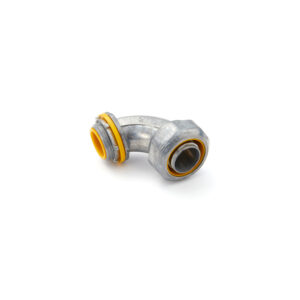
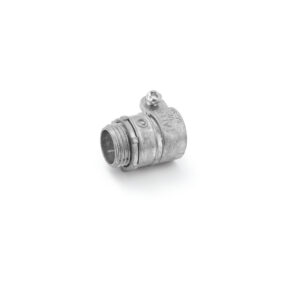
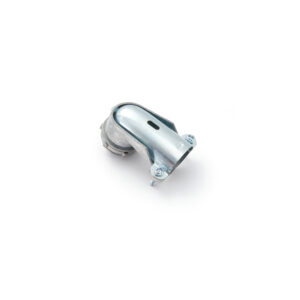
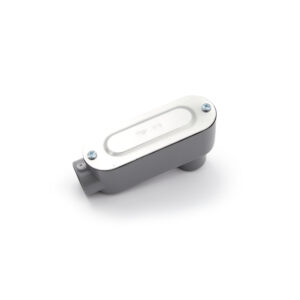
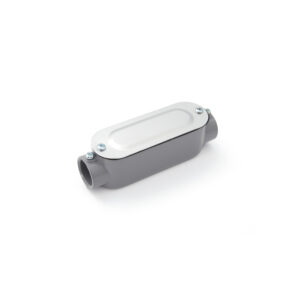
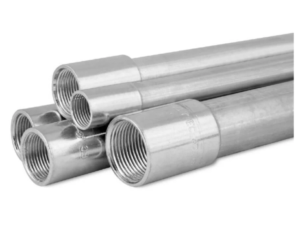
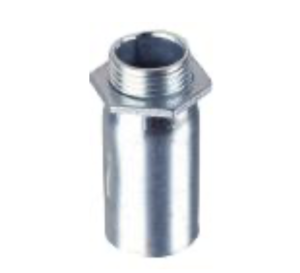
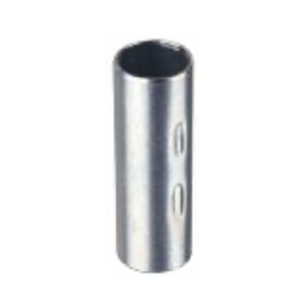
If you need help identifying the product family, use our conduit and fittings overview. For an existing installation or stock range, send details of the fittings that must connect to the conduit too. Arrange sample approval when needed before committing to production.
Your first action: send the product references, a quantity list, your country and city, and the date you hope to receive the goods. Tell us plainly: “This is my first import order.”
Contact a customs broker in your country before confirming the purchase. A freight forwarder helps coordinate cargo transport; a customs broker helps with the import declaration and customs requirements. Ask a logistics provider whether its quotation includes both services, and who will handle each part.
Give the broker the product information and preliminary quotation. Ask three practical questions:
For regulated electrical products, ask the relevant certification body or authority about product approval as well. Settle requirements that could change the product or packaging before ordering.
Review the product specification, quantities, packaging, price, production timing, and payment terms with Velkor. Then ask one simple question: “Which costs are included, and what will I still need to pay to receive the goods?”
Combine the supplier's quotation with the forwarder's and broker's estimates. Your budget should cover the goods, transport, insurance, destination charges, import duties and taxes, and delivery to your address, plus any applicable certification or inspection costs. Avoid counting costs twice when they are already included in a quotation.
The delivery term helps define the split. For example, CIF includes freight and insurance to the named destination port, but the buyer handles import clearance. Transport risk passes when the goods are loaded on board at the shipment port. It does not mean “cleared and delivered to my warehouse.”[1]
Ask for the agreed Incoterms® rule, named place or port, and edition in writing. Have your forwarder explain the practical arrangements before you accept them.
Before payment, check the final order documents: product references, sizes, quantities, approved specifications, packaging, price, delivery term, and payment milestones. Agree whether samples, inspection reports, or other approvals are required before production or shipment.
The pro forma invoice can form part of this confirmation. Do not assume every order uses the same deposit percentage or payment schedule; use the terms agreed for your order. Verify the payee and bank details through a trusted contact before transferring funds.
For a first purchase, discuss a manageable trial order. Its quantity should make sense for your product needs and the total shipping cost; there is no single container size or order quantity that suits every new importer.
Agree on the progress updates and inspection evidence you will receive. For conduit and fittings, relevant checks may include dimensions, fit, finish, quantities, markings, and packing. Resolve inspection findings before authorizing shipment under the agreed terms.
Ask for the packed dimensions and weight so the forwarder can finalize the transport arrangements. Keep three dates separate: when the goods are ready, when they depart, and when they are expected at your warehouse.
Our guide to early order updates explains why changes should be discussed while there is still time to adjust the plan.
You do not need to work out the whole document set alone. Ask your customs broker for the shipment-specific list, then agree who will provide each item and when.
| Document | What it tells you |
|---|---|
| Commercial invoice | What was sold, to whom, and at what value. |
| Packing list | What is inside the packages, with weights and other packing details. |
| Transport document | Shipment and consignee details; for sea freight, this may be a bill of lading. |
| Origin, insurance, or product approval documents | Additional evidence required for the agreed shipment, customs treatment, or product. |
These are starting points, not a complete list for every country. Your broker should review the required documents, including buyer details and product descriptions. Agree with the forwarder how the cargo will be released at destination.
Before arrival, confirm that your broker has the necessary documents and instructions. Arrange applicable payments, customs procedures, cargo release, and delivery to your address with the responsible providers.
When the goods arrive, count the packages, photograph visible damage, and check the products against the order and packing list. Report shortages, damage, or specification differences promptly, within the applicable claims deadlines.
Keep the documents and actual costs from this first shipment. They give you a practical basis for planning your next purchase.
You can use this short message for your first inquiry:
This is our first time importing from China. We are interested in [product or attached reference], in [sizes and quantities]. Our delivery location is [city, country], and our target receiving date is [date]. We need [known specifications or certifications]. We [have / do not yet have] a freight forwarder and customs broker. Please help us confirm the products and explain what your quotation would include.
That is enough to start the conversation. Product details and order terms can then be developed with Velkor, while your local broker establishes what is needed to import and receive the goods.
Sources checked on October 5, 2026. Confirm local requirements for the actual shipment.