
Two quotations list the same EMT size, but the prices are far apart. What explains the difference, and is the higher-priced offer worth paying for?
The first question is whether both suppliers are pricing the same complete requirement.
The same size does not necessarily mean the same product or supply scope. Compare the actual dimensions, material, coating, required certification and commercial terms before judging the price. Paying more makes sense when the difference delivers something you need and can verify.
What does “the same specification” include?
A size label leaves important details open. Before negotiating, ask both suppliers to complete the same comparison:
| What to compare | What the quotation should make clear |
|---|---|
| Dimensions and quantity | Actual outside diameter, wall-thickness basis and tolerance, piece length, number of pieces and price unit |
| Steel and bending | Material grade or agreed performance requirement; evidence from the proposed finished tube if bending matters |
| Coating | Process, specified coating amount and measurement basis; protection of the tube body and weld area |
| Standards and certification | Required standard; exact certification/listing where required, with evidence covering the offered product |
| Packaging and inspection | Bundle quantities, protection, labels and the inspection records included in the price |
| Commercial terms | Currency, payment terms, delivery timing, quotation validity and Incoterms® rule with the named place or port |
A blank entry needs clarification; it does not prove inferior quality.
Where might the cheaper offer save money?
The steel grade and actual wall thickness
Raw material can explain part of the difference. In our experience, Q195 has cost less but given less satisfactory hand bends, particularly in larger sizes. We recommend DX51D as a starting point for hand-bending requirements, then evaluate DX52D or DX53D where the forming demand calls for it. These are observations about the tubes we have used, not a universal price or performance ranking. Our steel-grade comparison explains the choices.
When comparing quotations, confirm the nominal wall thickness, agreed tolerance and measurement method. Actual wall thickness can vary within the agreed requirements; with outside diameter, length and other conditions unchanged, this also affects steel weight. Compare both quotations against the same technical requirements.
You can compare the estimated steel weight at different wall thicknesses using the formula and interactive calculator in our sample inspection guide.[1]
Agree on the target and acceptance range, whether measurements concern the steel base or coated finished wall, and the measurement and sampling method. One reading does not establish whole-batch compliance, and the applicable product standard still takes priority.
The galvanizing process and coating amount
Pre-galvanized tube is formed from already-coated steel strip. Hot-dip galvanizing after fabrication immerses the formed and welded tube in molten zinc. The strip used for pre-galvanized tube may itself have been hot-dip galvanized, so the useful distinction is whether the coating was applied before or after tube fabrication.
For pre-galvanized strip, consider 30, 80 and 275 g/m² as examples of different coating amounts, using the combined mass on both strip faces for this comparison. These are coating-mass figures, not thicknesses in micrometres. Different zinc quantities and production routes can contribute to price differences, but there is no fixed ratio between zinc amount and selling price.
Ask for batch records supporting the quoted coating amount and its measurement basis. Our zinc-coating comparison explains why finished-tube coverage also matters.
What “100 pieces per bundle” actually means
Consider two packaging arrangements: 100 tubes tied into one large bundle, or ten small bundles of ten tubes, then tied together. Both contain 100 tubes. The second arrangement adds small-bundle tying operations and binding material, while giving the buyer smaller groups to handle or resell.
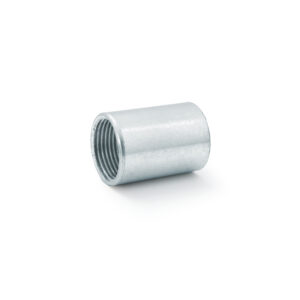
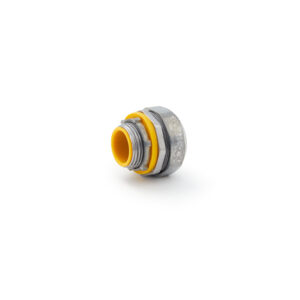
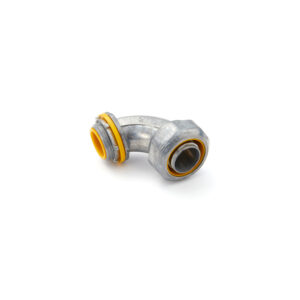
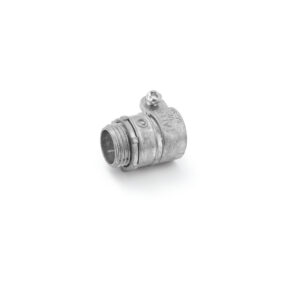
For fittings, plastic bags and inner boxes are another practical comparison. If your customer needs boxed units, a bagged price leaves you with a different supply scope. If bags meet your needs, extra boxes may add no useful value. Specify the actual arrangement rather than relying on “standard export packing.”
Delivery scope and payment terms
An EXW quotation and an FOB quotation cover different seller obligations. Align the Incoterms® rule, version and named place or port, then identify who pays each delivery cost.[2] Otherwise, the lower quoted amount may leave more costs for you to pay separately.
Payment also needs its own comparison. Prepayment and payment after an agreed credit period are different financial arrangements. A seller extending credit waits longer for its money and may allow for that in the price. Compare the payment timing alongside the goods; do not treat a difference caused by credit terms as evidence of better steel.
Lower prices may also reflect production efficiency, purchasing arrangements or a smaller margin. Those remain possible explanations, not facts established by the price alone.
When is the higher price worth paying?
Smaller bundles may suit your resale needs. Better bending performance may matter to your installers. The useful question is what the extra amount buys for this order, and how you will confirm that you receive it.
Ask for acceptance criteria and supporting records behind “better quality.” Use the sample checks discussed in our guide alongside those agreed requirements.
Required standards and certification are basic acceptance conditions. A lower-priced tube that fails them is not an equivalent alternative. Where listing is required, verify coverage of the actual model, size and brand.
If both suppliers meet the same complete requirement and offer comparable, verifiable delivery and support arrangements, the higher price alone does not establish better value. You have a reasonable basis to choose the lower offer or ask the higher-priced supplier to justify the difference.
Turn the price gap into a useful question
Before asking for a discount, send one complete requirement to both suppliers. Ask them to identify any deviations and quote the same quantity, packaging and delivery basis.
Then ask: “What would change in the product or supply scope if we chose your lower-priced option?”
The answer should show whether you are accepting a useful saving, evaluating a product change, or losing a requirement.
References
- Velkor — How to Check Steel Conduit Quality: A Practical Sample Inspection Guide. Includes the theoretical steel-weight formula, a worked example and an interactive calculator. Weight estimates do not calculate a supplier’s selling price.
- International Chamber of Commerce — Incoterms® 2020. Official explanation of the allocation of costs, risks and obligations.
Sources read October 13, 2026. Material observations come from Velkor’s previously published experience. Packaging and coating-amount examples were supplied by James.